
The Allure of Risk and Reward
The excitement that comes with casino gambling is deeply rooted in the human psyche. One of the primary drivers is the allure of risk and the potential for substantial rewards. In addition to this thrill, there is also growing interest in online gambling in california, which offers new experiences and opportunities for players. The uncertainty of outcomes amplifies the thrill, as players are often drawn to the idea of winning big, which can lead to emotional highs. This sensation is akin to extreme sports, where the rush of adrenaline can be intoxicating, and the stakes can feel both exhilarating and overwhelming.

Furthermore, the psychological principle of variable reinforcement plays a significant role in gambling. Unlike activities with predictable outcomes, the unpredictability of slot machines, card games, and other casino offerings keeps players engaged. This intermittent reward schedule can create a powerful feedback loop, making the experience addictive as players chase the elusive win, driven by the hope of striking it lucky.
The Role of Emotions in Gambling
Emotions play a crucial role in casino gambling, often influencing decision-making processes and behaviors. The thrill of winning can lead to an emotional high, creating a sense of euphoria that players seek to recreate. Conversely, losing can result in frustration and disappointment, prompting gamblers to continue playing in hopes of recovering their losses. This emotional rollercoaster is what makes the gambling experience captivating, even when it may lead to irrational behaviors.
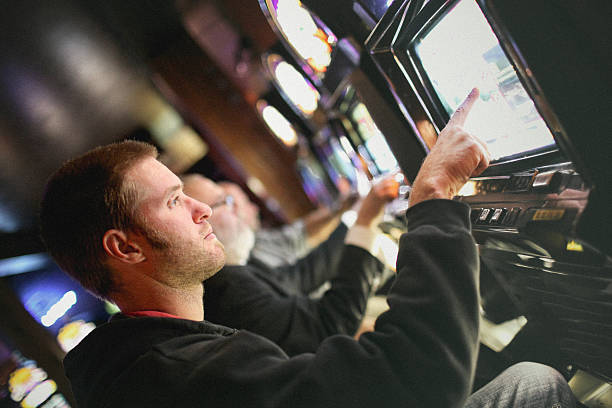
Moreover, many gamblers report that the atmosphere of a casino—filled with lights, sounds, and celebrations—heightens their emotional states. This sensory stimulation can reinforce their desire to keep playing, as the environment is designed to evoke feelings of excitement and optimism. The social aspect of gambling, often experienced in groups or with friends, can further enhance these emotions, creating a communal sense of thrill and camaraderie.
Cognitive Biases and Gambling Behavior
The psychology of casino gambling is also affected by various cognitive biases that can skew a player’s perception of risk and reward. One such bias is the illusion of control, where gamblers believe they can influence random events, such as the outcome of a dice roll or a card draw. This false sense of control can encourage continuous play, as players become convinced that their skill or strategy will tip the odds in their favor.
Another important cognitive bias is the gambler’s fallacy, where individuals believe that past events influence future outcomes. For instance, a player might assume that since a particular number hasn’t come up on a roulette wheel in several spins, it is ‘due’ to appear. Such misconceptions can lead to erratic behavior and increased betting, reinforcing the cycle of gambling despite the inherent randomness of the games.
The Impact of Social Factors on Gambling
Social factors significantly influence gambling behavior and the thrill associated with it. Community and peer pressure can motivate individuals to gamble, especially in settings where gambling is a social norm. For many, visiting a casino is not just about the games; it’s also a social event where bonding and sharing experiences with friends or family enhance the enjoyment factor. This social dimension often increases one’s likelihood of engaging in gambling activities.
Additionally, cultural attitudes towards gambling can shape an individual’s approach to this pastime. In some cultures, gambling is celebrated and seen as a rite of passage, while in others, it may be viewed negatively. Understanding these social frameworks can help elucidate why certain individuals may feel more compelled to engage in casino gambling than others, highlighting the complex interplay between society and individual psychology.
Insight into Responsible Gambling
Recognizing the psychological underpinnings of casino gambling is crucial for promoting responsible gambling practices. Understanding what drives the thrill can help individuals identify their motivations and the emotional triggers that influence their gaming behavior. This awareness can empower players to enjoy gambling as a form of entertainment rather than a financial solution or an emotional escape.
Educational resources and support systems are essential for those who may be struggling with compulsive gambling. These initiatives aim to foster a healthier relationship with gambling by providing tools and strategies that encourage mindful decision-making. Ultimately, raising awareness about the psychology behind gambling can lead to more informed choices and a safer gaming environment.